AMERICAN ARCHIVE
STORIES FROM THE WHITE HOUSE
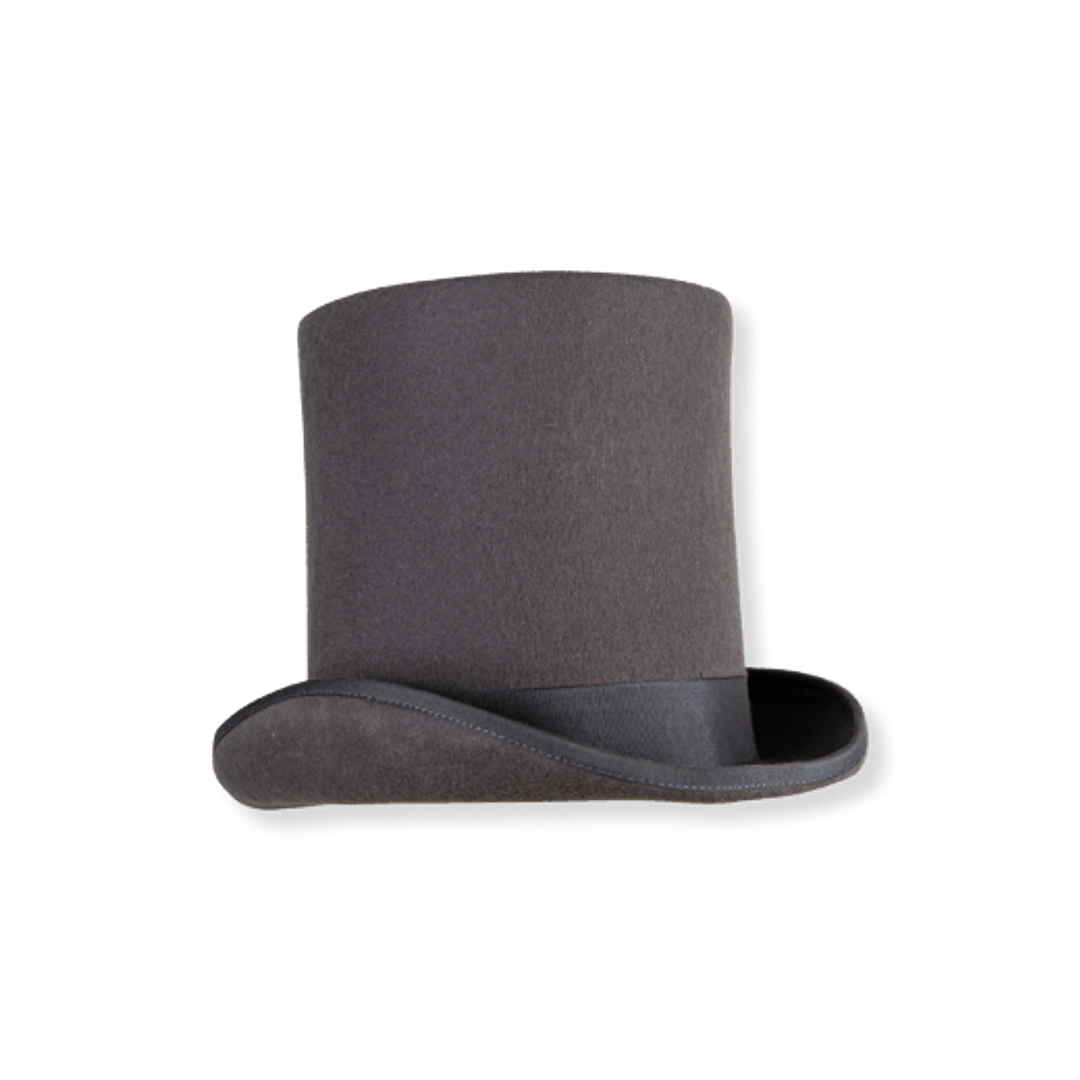
The Abolitionist and the President
Mural of President Abraham Lincoln with Frederick Douglass, 1943.
Library of Congress
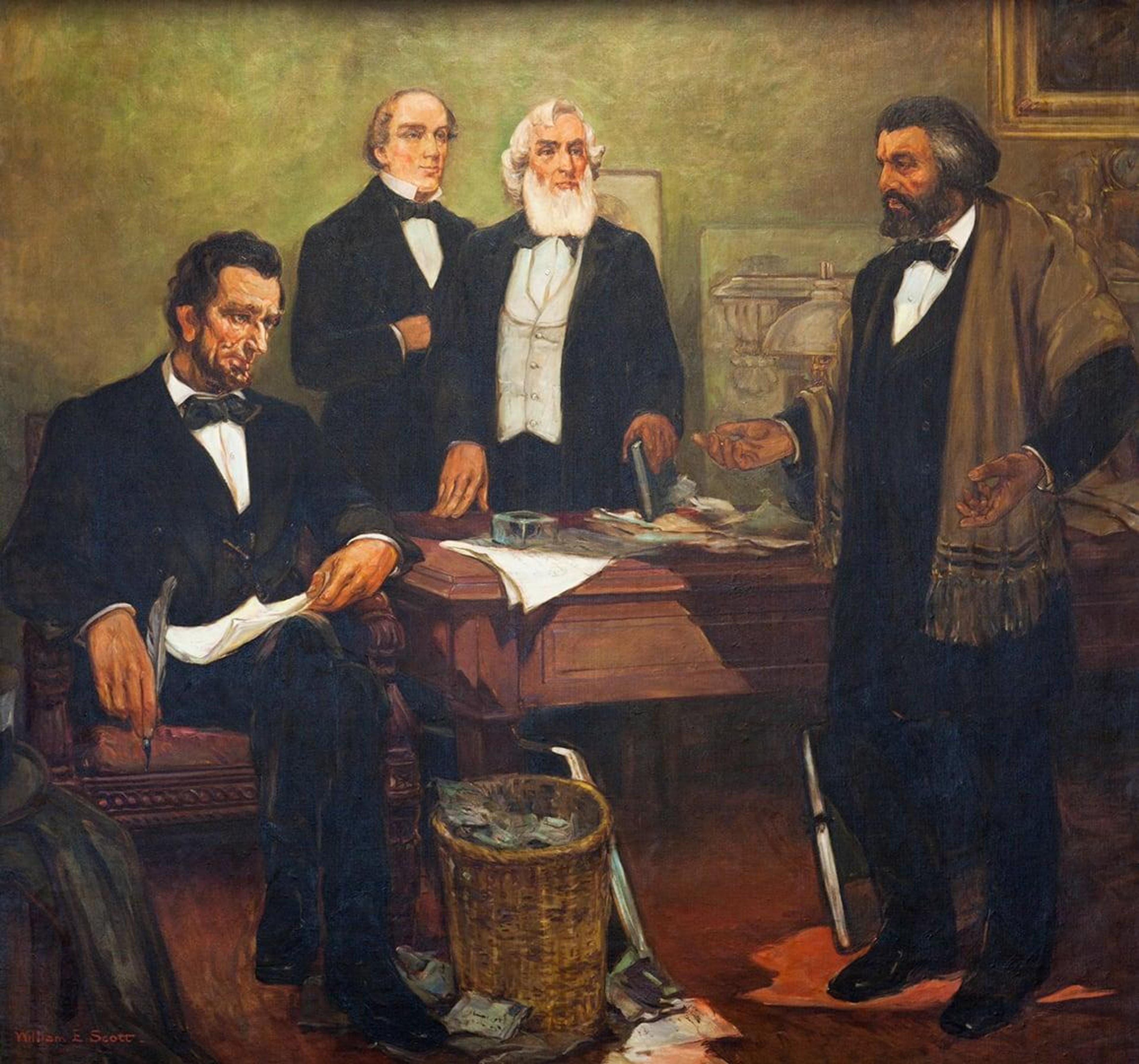
“Here comes my friend Douglass,” President Abraham Lincoln exclaimed, “I am glad to see you.”
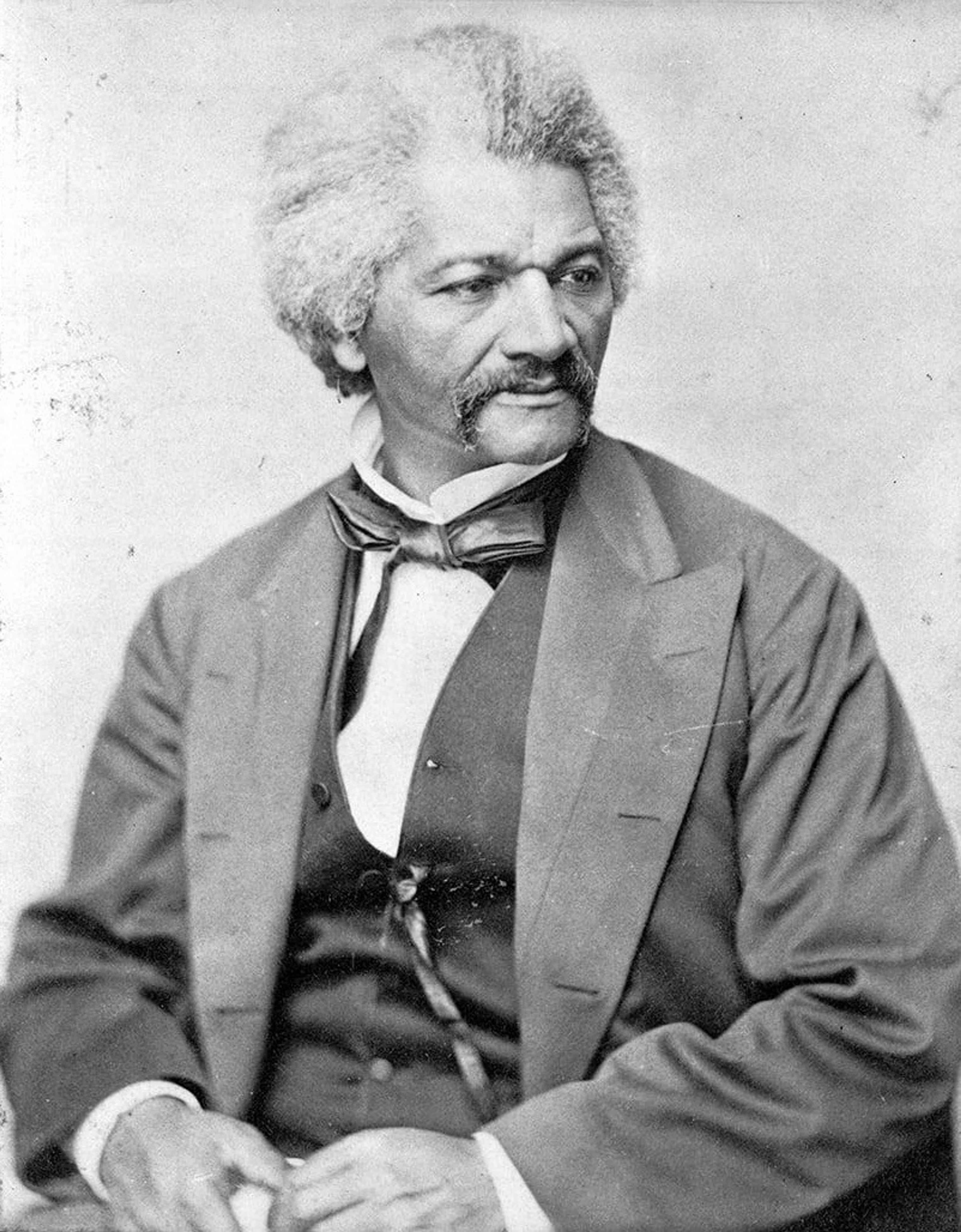
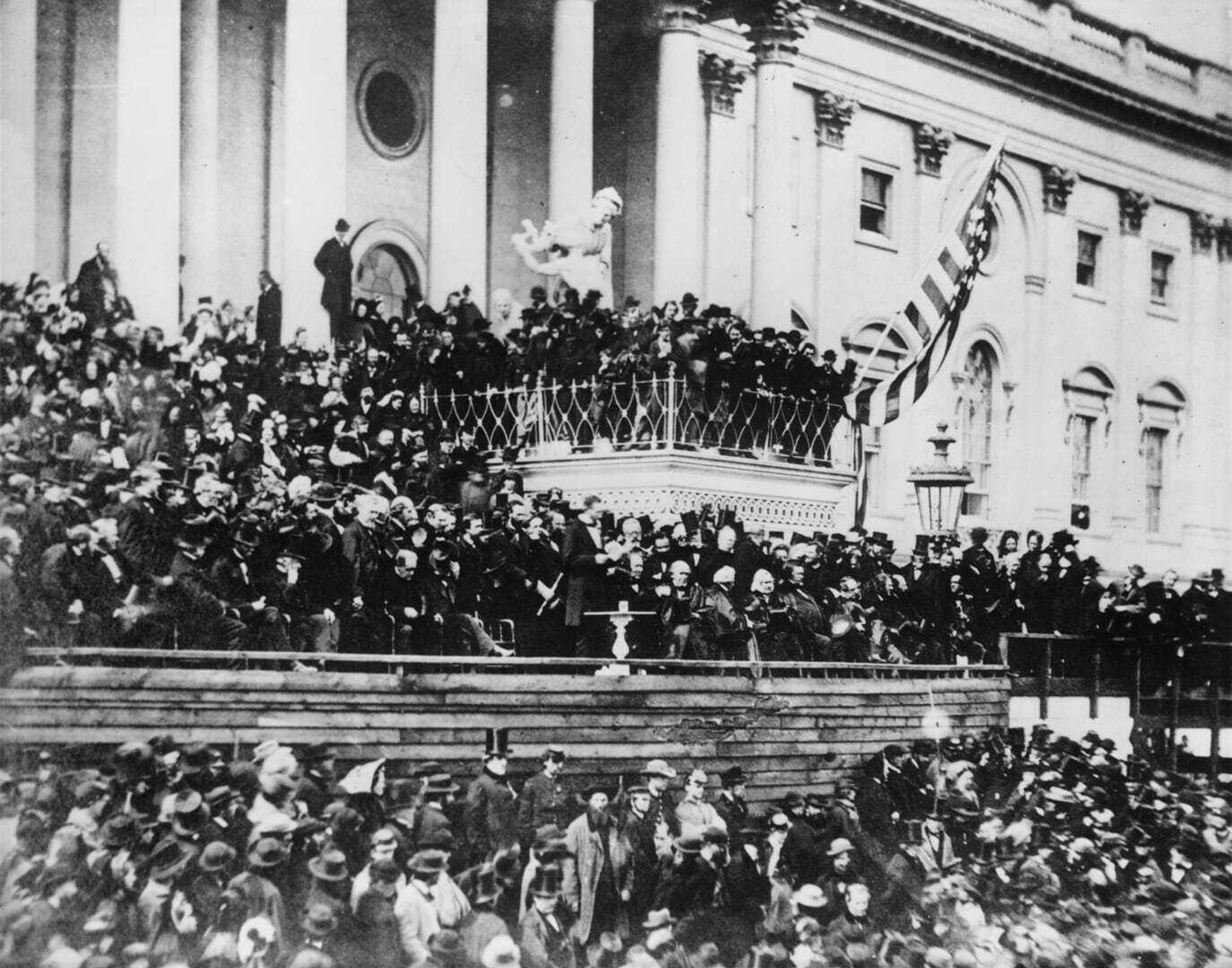
Orator, author, and abolitionist Frederick Douglass frequently advised President Abraham Lincoln on issues of freedom and equality for Black Americans. So, after the president’s second Inauguration in 1865, Douglass joined a line to enter the White House for a celebratory reception. Guards stopped him at the door; no person of color would be admitted.
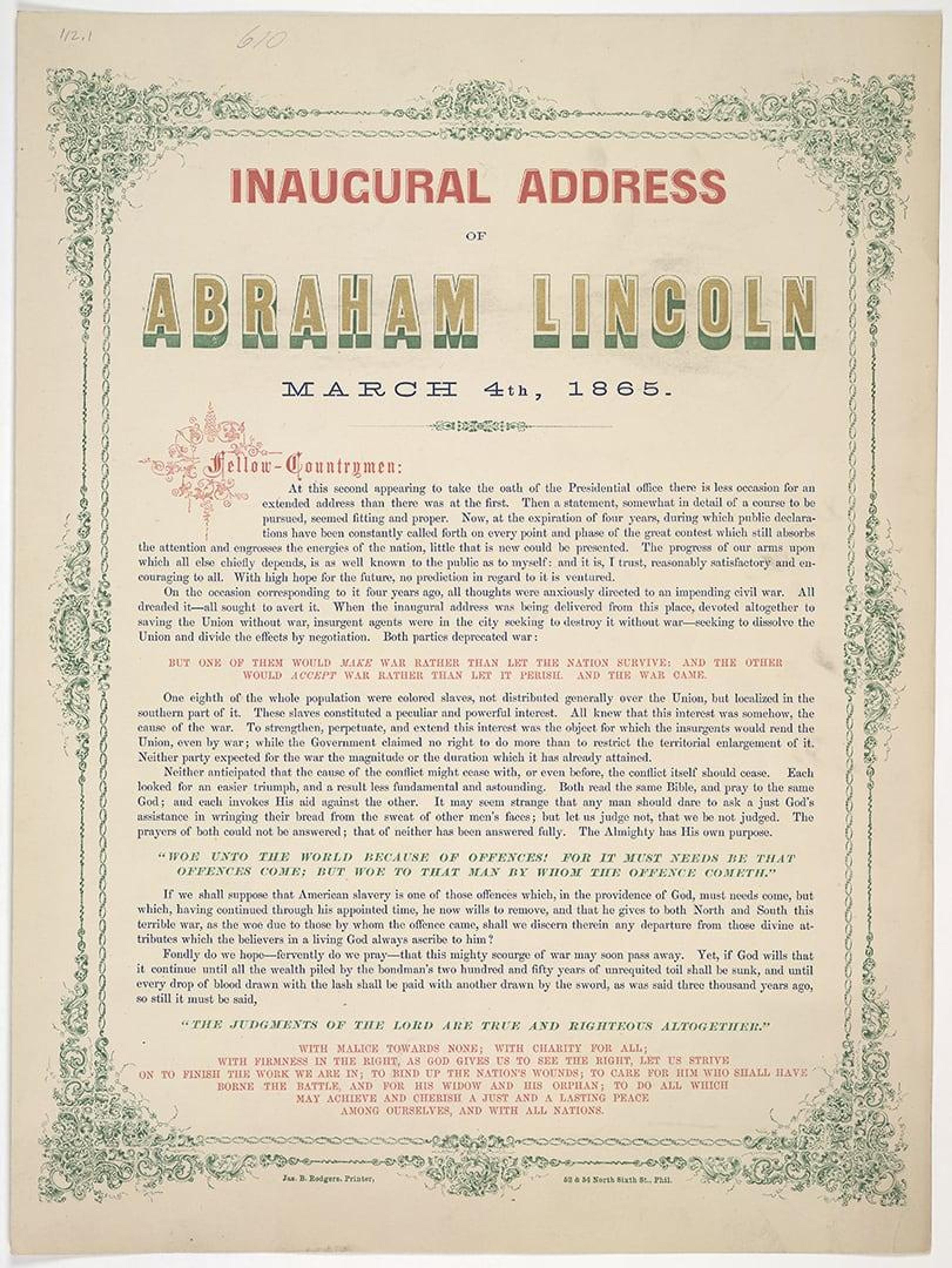
Douglass insisted and was eventually let in. In the East Room, the president greeted Douglass warmly (and loudly). He asked Douglass’s opinion of his Inaugural Address because, “there is no man in the country whose opinion I value more than yours.”
“The way to break down an unreasonable custom,” Douglass later wrote, “is to contradict it in practice.”
Frederick Douglass, 1870.
Library of Congress
President Abraham Lincoln delivers his second inaugural address,1865.
Library of Congress
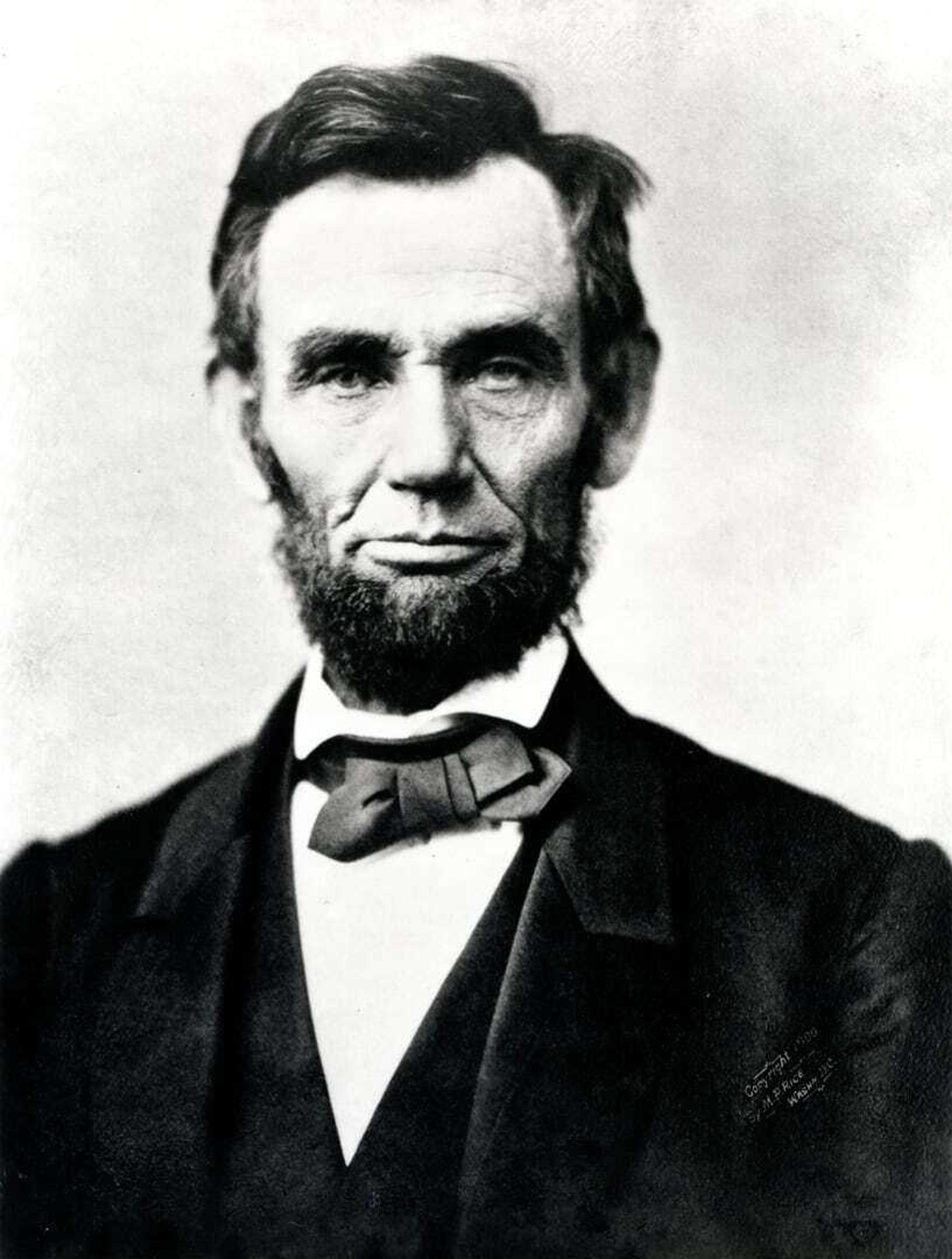
President Abraham Lincoln, 1863.
Library of Congress
President Abraham Lincoln’s second inaugural address, 1865.
Library of Congress
The East Room, 2021.
Bruce White for the White House Historical Association
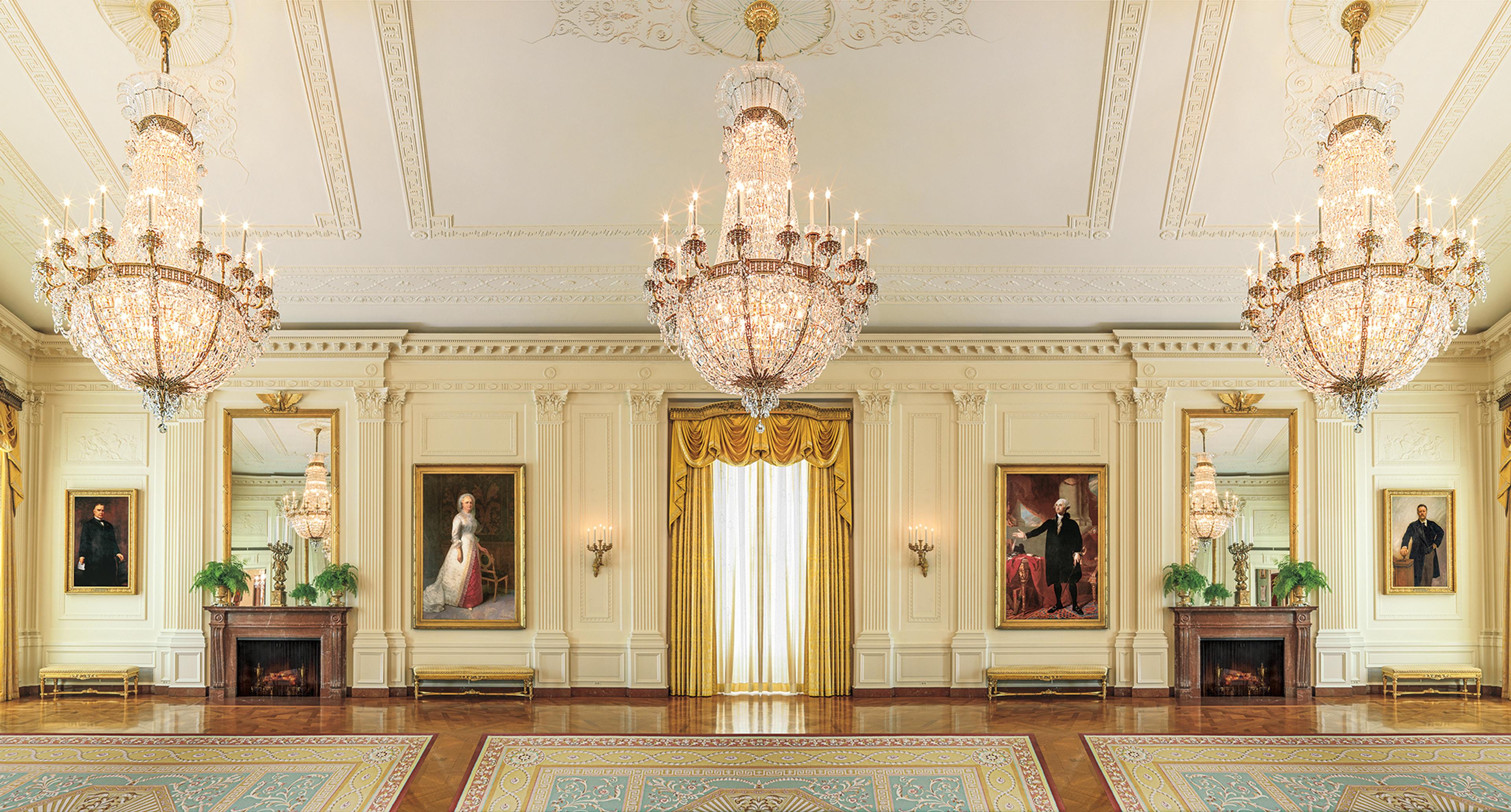
In the East Room
Originally designed as the “Public Audience Room,” the East Room is the largest and most ceremonial of the State Floor rooms. It is minimally furnished to better accommodate large gatherings and events, from press conferences to weddings and concerts.
AMERICAN ARCHIVE
STORIES FROM THE WHITE HOUSE